Issue 01 / The common ground issue
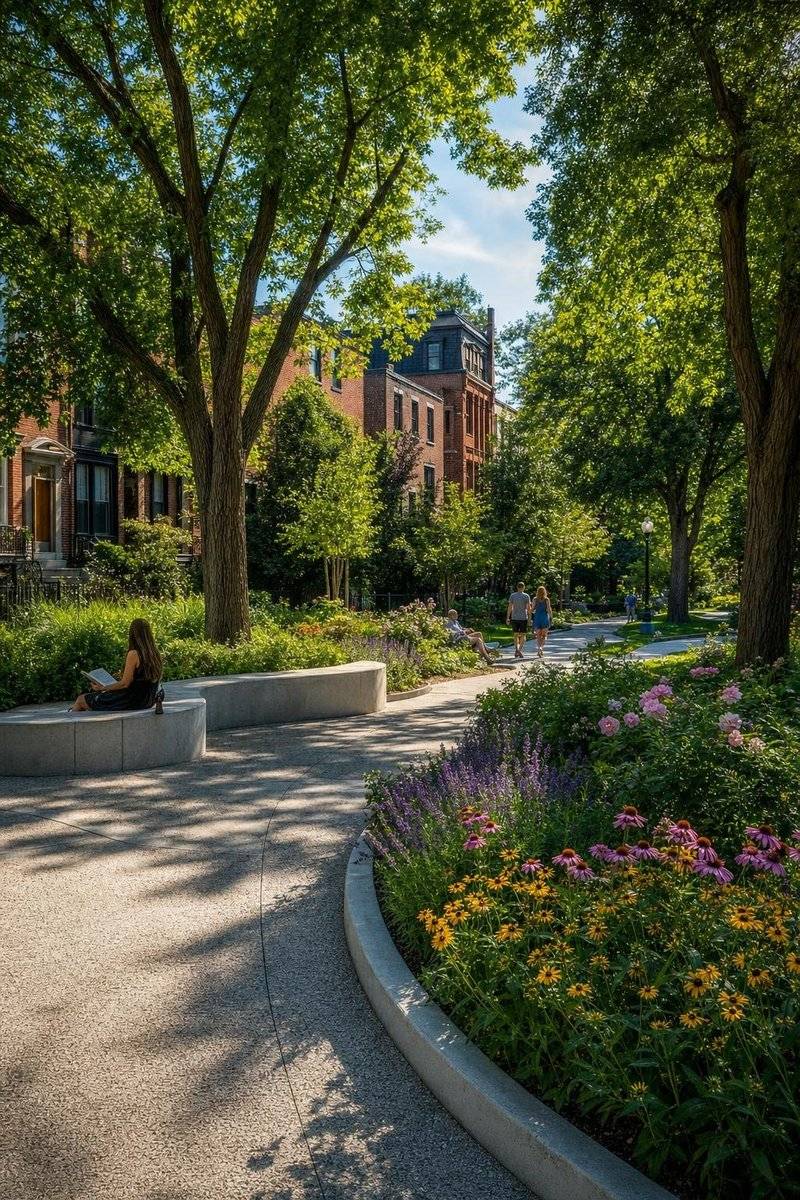
The places we build together.
A new chapter for the neighborhoodThe citizen investor
Small places.
Big possibilities.How towns fund community projects
How shared ideas become greener streets, better parks and stronger neighborhoods.

Inside this issue
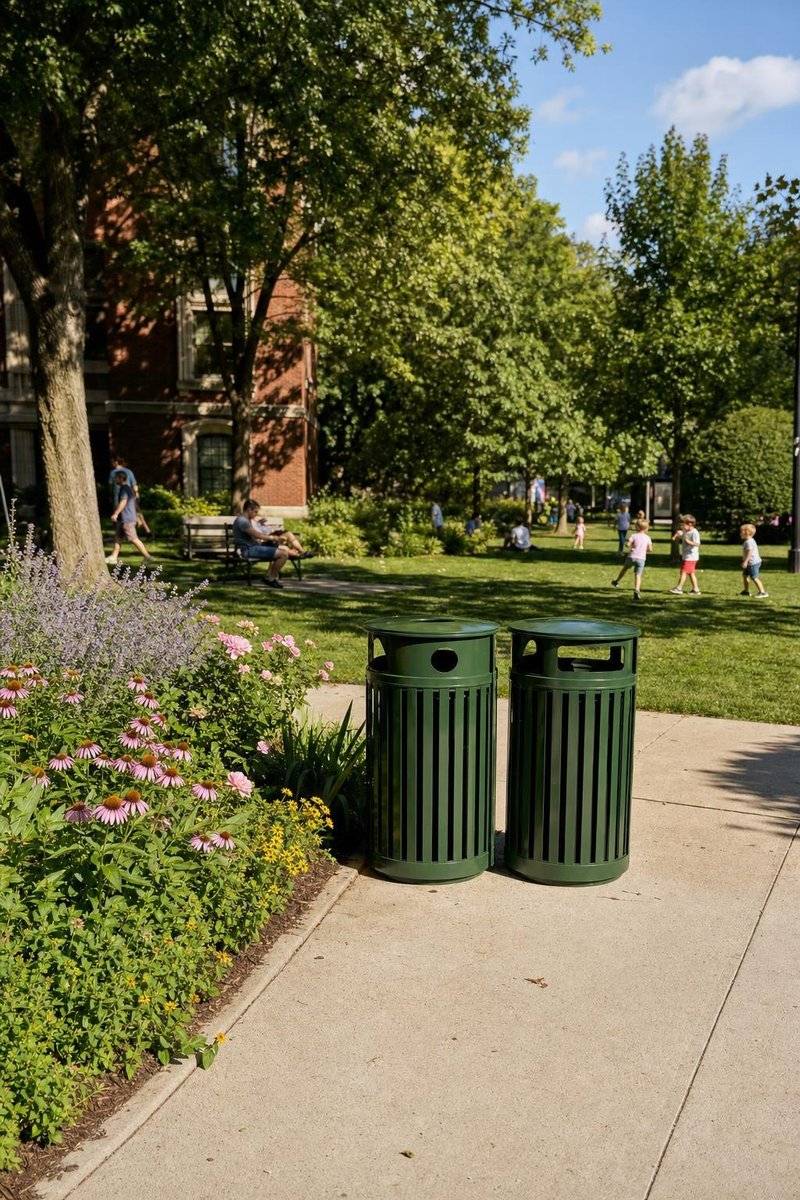
Good ideas, public spaces.
Thirty-eight towns, one question: who pays?Project archive
Neighborhoods that paid for it themselves
Trash bins for a one-square-mile city, a playground in Oklahoma, oxygen masks for pets in Omaha: the local projects residents chose to fund, and what each one cost.
From the archive
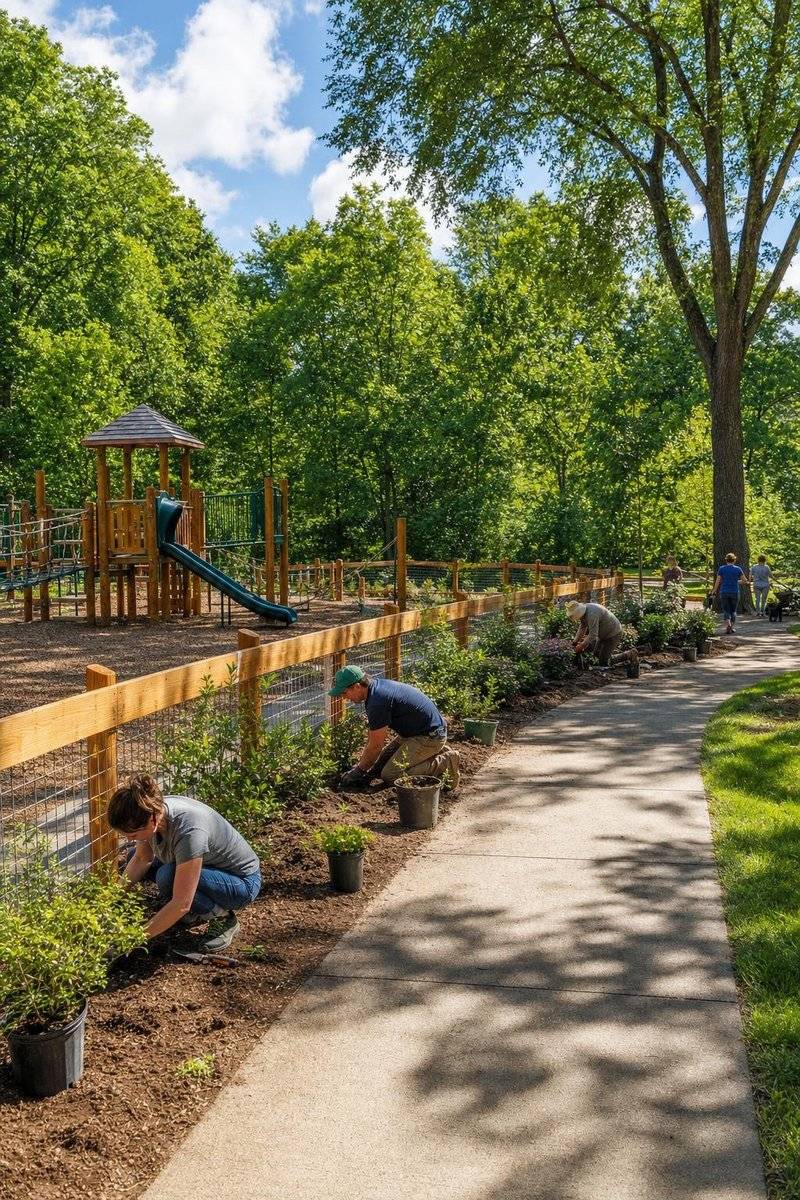
How communities fund change.
Grants, matches and bake sales, in that orderFunding guides
Where the money for a neighborhood project comes from
Most public projects are paid for by a mix: a city grant, a foundation match and a few hundred small gifts. These guides take each source in turn.
In this section
Lend to your own city.
The bond behind the library, the pool, the water mainCity investing
Municipal bonds, explained for residents
When a city builds something large it usually borrows. Municipal bonds let residents lend to that city and, in most cases, keep the interest free of federal tax.
In this section
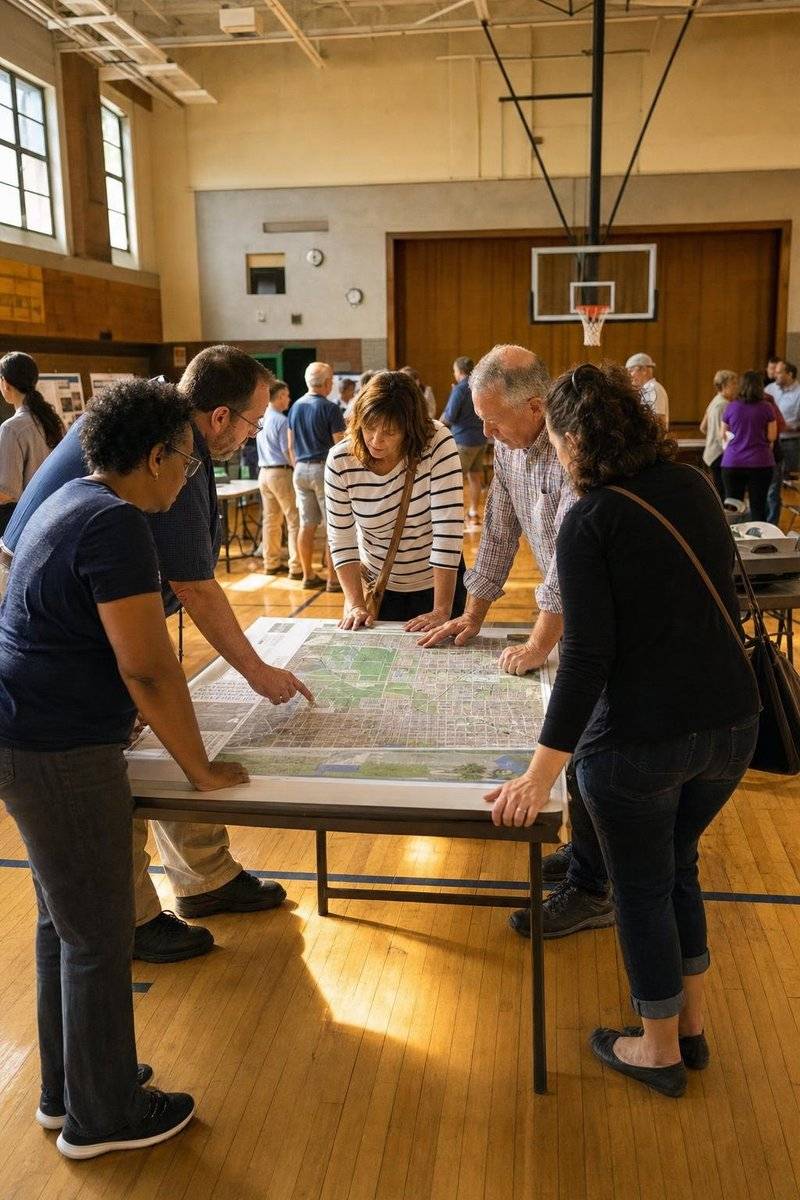
Who decides what gets built?
From Porto Alegre to a council district in QueensCivic participation
Participatory budgeting and the residents who vote on it
Some cities hand part of the capital budget to residents and let them vote. The idea started in Brazil in 1989 and now runs in New York, Paris and Cambridge, Massachusetts.
In this section
Drag a corner or use the arrows to turn the pageSwipe or use the arrows to turn the page
What this journal covers
A park bench costs a city somewhere between a few hundred and a few thousand dollars once it is bought, shipped and bolted down. A new playground can cost a quarter of a million. Neither shows up in the budget debates people follow, and both are the kind of thing residents notice every day. Citizinvestor writes about that layer of public life: the trees, gardens, signs, bike racks and pocket parks that make a block feel looked after, and the money that pays for them.
The journal works in three directions. The project archive collects local projects from across the United States that residents helped fund, from a set of sturdy trash and recycling bins for Jenks Park in Central Falls, Rhode Island to a rebuilt playground in Chickasha, Oklahoma. Each story records the place, the goal, the amount raised and, where it can be checked, what happened next.
The funding guides explain where money for that kind of project comes from. Most of it is unglamorous: a Community Development Block Grant passed down from HUD, a state match under the Land and Water Conservation Fund, a foundation that funds playgrounds, a hardware store that donates lumber. The guides go source by source, with the paperwork each one asks for.
The third direction is the one in the name. A resident who wants to put money into a town has more options than a donation. Municipal bonds are loans to a city, a school district or a water authority, and for most American buyers the interest is free of federal income tax. The section explains how they work, how to buy them in small amounts and how to compare them with taxable bonds using the tax-equivalent yield calculator.
Why small projects deserve attention
Large capital projects get bond referendums, public hearings and news coverage. Small ones often get none of that, which is exactly why they stall. A neighborhood association can wait years for a dog park that costs less than one city vehicle. When residents raise part of the money themselves, the conversation with the city changes: the project arrives with a budget, a list of supporters and a promise to help with upkeep.
That model has limits, and the civic participation section is honest about them. Richer neighborhoods raise money faster. A city can quietly treat donations as a replacement for maintenance it should pay for. Participatory budgeting, where residents vote on part of the capital budget, is one answer that several cities have tried since Porto Alegre began in 1989; the examples page follows four of them.
From the finance desk
Personal finance still has a corner here. Two longer pieces were written with British savers in mind. One looks at forex prices and value and points readers to the register kept by the Financial Conduct Authority before they hand money to any broker. The other, on monthly income investments for retirement, starts from the April 2015 pension changes that let people over 55 take their defined-contribution savings as they wished, and compares three income products that grew popular afterwards.
A US reader will find the American equivalent in the bond section: the guide to whether municipal bonds are a good investment covers credit risk, interest-rate risk and the rare city bankruptcy, with Central Falls again as the example. The same one-square-mile city that crowdfunded park bins in 2013 had filed for Chapter 9 two years earlier. Its bondholders were paid in full; its retirees were not.